Industrial CNC routers have become the go-to choice for Perth manufacturers looking to stay competitive in today’s market. These remarkable machines combine computer precision with robust cutting capability, transforming raw materials into finished products with incredible accuracy. Whether you’re working with timber, plastics, aluminium, or composites, CNC technology opens up possibilities that traditional methods simply can’t match.
We will explore everything you need to know about industrial CNC routers in the Perth context. You’ll discover how these machines work, what they’re used for, and why so many local businesses are making the switch. We’ll also cover pricing considerations, sizing requirements, and tips for choosing the right supplier. By the end, you’ll have a clear picture of whether CNC routing technology is right for your workshop.
What Is an Industrial CNC Routers and How Does It Work?
The Basic Components of a CNC Routers System
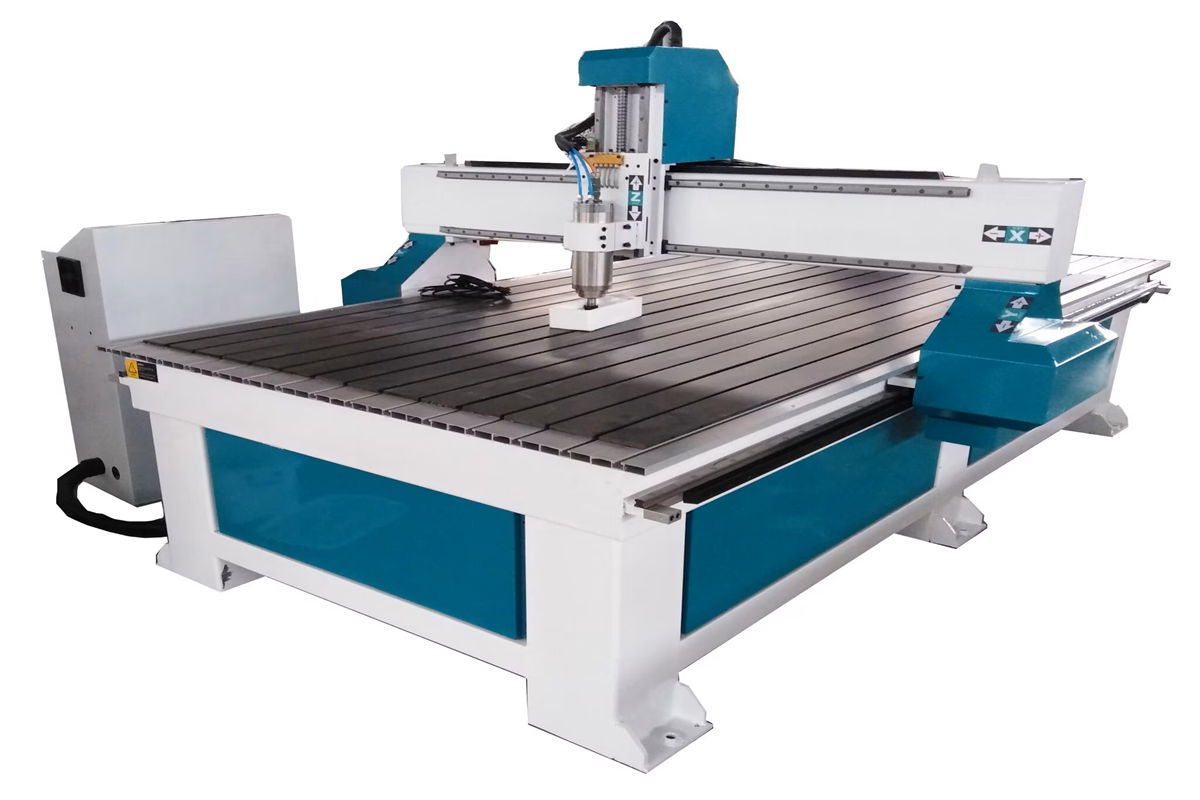
At its core, a CNC routers consists of several key elements working together. The cutting head, or spindle, holds the router bit and spins at high speeds to remove material. This spindle moves along multiple axes typically three to five controlled by precision motors and drive systems.
Understanding CNC Routers Technology for Beginners
CNC stands for Computer Numerical Control. In simple terms, you create a design on your computer, and the machine follows those instructions to cut, carve, or shape your material. The beauty lies in the repeatability once you’ve programmed a job, you can produce identical pieces hundreds of times over.
What Are CNC Routers Used For in Manufacturing?
Common Applications Across Australian Industries
CNC routers have found their way into virtually every manufacturing sector in Australia. Furniture makers rely on them for cutting cabinet components, creating intricate joinery, and producing decorative elements. Signage companies use them to craft everything from simple lettering to complex three-dimensional displays.
Materials You Can Cut and Shape with CNC Routers
The versatility of CNC routers is truly impressive. They handle timber and engineered wood products with ease think MDF, plywood, and solid hardwoods. Plastics like acrylic, polycarbonate, and HDPE cut beautifully, producing clean edges that often need minimal finishing.
Soft metals including aluminium and brass are also fair game for industrial CNC routers equipped with appropriate spindles and tooling. Composite materials, foam, rubber, and even some stone products can be machined effectively. This flexibility makes CNC routers incredibly valuable for workshops handling multiple material types.
Benefits of Industrial CNC Routers for Perth Businesses
Precision and Consistency in Production
One of the biggest advantages is the level of accuracy these machines deliver. We’re talking tolerances measured in fractions of a millimetre precision that’s nearly impossible to achieve consistently by hand. Every piece comes out identical to the last, which is crucial for assembly-line production.
Reduced Waste and Cost Savings
CNC routers optimise material usage through intelligent nesting software. This means more parts per sheet and less offcut heading to the skip bin. Over time, these savings add up substantially, particularly when working with expensive materials.
Faster Turnaround Times for Local Projects
Speed matters in today’s market, and CNC routers deliver. What might take hours by hand can often be completed in minutes. This rapid production capability lets Perth businesses take on larger orders, meet tight deadlines, and respond quickly to customer requests.
What Size CNC Routers Do I Need for My Workshop?
Matching Machine Size to Your Production Requirements
Choosing the right size involves analysing your typical workpiece dimensions and production volumes. A machine with a 1220mm x 2440mm bed suits standard sheet goods perfectly. If you’re working with longer materials or oversized panels, look at machines with extended bed options.
Space Considerations for Perth Workshops
Remember that a CNC routers needs more floor space than just its footprint. You’ll need clearance for material loading, operator access, and dust extraction systems. A machine with a 2.4m x 1.2m bed might require 5m x 4m of actual workshop space.
Choosing the Right CNC Routers Supplier in Perth
What to Look for in a Trusted Local Supplier
A good supplier offers more than just machines. Look for companies with solid industry experience and strong technical knowledge. They should help you select the right machine for your specific applications and provide honest advice about capabilities and limitations.
The Importance of After-Sales Support and Training
The relationship doesn’t end at purchase. Ongoing support, spare parts availability, and technical assistance are crucial. Ask potential suppliers about their response times for service calls and whether they hold common spare parts locally.
Is a CNC Routers Worth the Investment for Small Businesses?
ROI Considerations for Australian SMEs
For many small businesses, the return on investment comes faster than expected. Calculate your current production costs, including labour, waste, and error rates. Compare these against projected figures with CNC capabilities.
Scaling Production with CNC Technology
CNC routers enable growth without proportional increases in labour costs. As demand rises, you can run longer hours or add shifts without compromising quality. This scalability makes CNC investment particularly attractive for businesses eyeing expansion.
CNC Routers Maintenance Tips for Long-Term Performance
Regular maintenance keeps your CNC routers working running smoothly for years. Clean the machine daily, removing dust and debris from rails, bearings, and the spindle area. Check lubricant levels weekly and top up as needed.
Conclusion
Industrial CNC routers represent a significant step forward for Perth manufacturers seeking to improve quality, reduce costs, and increase production capacity. From precision furniture making to complex signage and everything in between, these machines deliver consistent results that traditional methods simply cannot match.
The decision to invest in CNC technology shouldn’t be taken lightly. Consider your current production challenges, future growth plans, and budget constraints carefully. Speaking with experienced suppliers, visiting other workshops with similar machines, and thoroughly researching your options will help you make an informed choice.