Boston is a well-established destination for trade shows, industry conferences, business exhibitions, and professional networking events. With opportunities across technology, healthcare, biotechnology, education, manufacturing, and other industries, the city gives businesses a valuable platform to showcase their products, introduce new services, and connect with potential customers.
However, making an impact at a trade show requires more than simply reserving a booth. Businesses need a display that communicates their brand effectively, fits the available space, and makes the entire exhibiting process easier to manage.
This is why portable trade show displays in Boston are an attractive option for companies of different sizes. These displays combine flexibility, convenient transportation, and professional presentation, allowing exhibitors to create an engaging booth without the complexity of a large, permanent structure.
Whether you are preparing for your first exhibition or looking to improve your existing event marketing strategy, choosing the right portable display can make a significant difference. Here are some practical tips to help you find a solution that meets your business needs.
1. Understand Your Exhibition Goals Before Choosing a Display
Before comparing display systems, identify what you want to accomplish at your next event. Your marketing objectives should guide the design, size, and features of your booth.
For example, a company launching a new product may need space for demonstrations and product samples. A B2B service provider may prioritize brand visibility, informative graphics, and areas for conversations with potential clients. Meanwhile, a startup attending a networking event may need a compact display that communicates its offering quickly.
Understanding your goals helps prevent unnecessary spending on features that do not support your exhibition strategy.
Ask yourself a few questions before making a decision:
- Are you primarily looking to generate leads, increase brand awareness, or demonstrate products?
- Will you participate in multiple exhibitions throughout the year?
- Do you need space for product displays, meetings, or promotional materials?
- How much room will the event organizer provide?
Clear answers will help you narrow down the most suitable portable trade show display for your business.
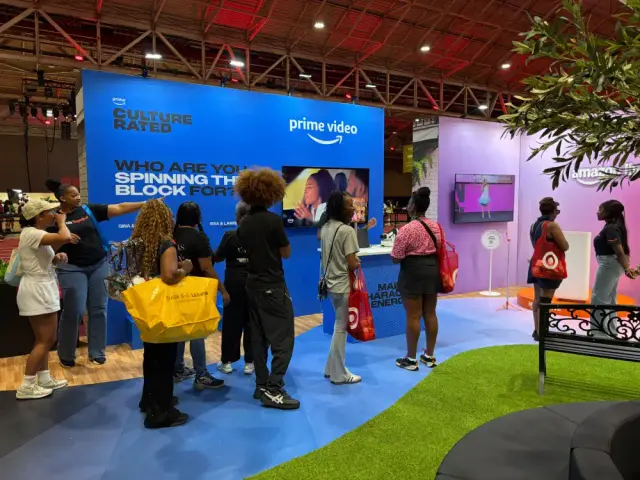
2. Choose the Right Display Type for Your Needs
Portable exhibition displays come in several formats, each offering different advantages. The right choice depends on your available space, branding requirements, transportation arrangements, and budget.
Retractable Banner Stands
Retractable banner stands are compact and convenient. They work well for smaller exhibition spaces, registration areas, presentations, and promotional events.
They are particularly useful when businesses need to communicate a single message, highlight a service, or display essential contact information.
Pop-Up Trade Show Displays
Pop-up displays typically use a collapsible frame with printed graphic panels or fabric graphics. They can create a wider branded backdrop while remaining relatively easy to transport and assemble.
These displays are suitable for companies that want a more substantial visual presence without investing in a fully custom-built booth.
Fabric Trade Show Displays
Fabric displays offer a clean, modern appearance and can support large-format graphics. Many systems are designed with lightweight frames and fabric panels that pack into carrying cases.
They are a practical choice for businesses seeking a polished presentation that can be reused across different events.
Modular Portable Displays
Modular systems use compatible components that can be rearranged or expanded to suit different booth layouts.
They are especially useful for businesses that attend exhibitions of varying sizes and want more flexibility as their marketing requirements change.
When evaluating portable trade show displays in Boston, compare the setup requirements, graphic quality, portability, and future adaptability of each format rather than choosing based on appearance alone.
3. Consider Your Booth Size and Venue Requirements
Every exhibition has its own layout and restrictions. A display that works well in a spacious exhibition hall may be unsuitable for a compact booth or tabletop event.
Before purchasing a display, confirm the dimensions of your allocated space and review the event organizer’s guidelines. Pay attention to booth height limits, aisle clearance, lighting restrictions, electrical requirements, and accessibility.
For a smaller booth, a vertical banner stand and a compact branded counter may be enough to establish a professional presence. Larger spaces may benefit from a modular backdrop, product demonstration area, or multiple coordinated display elements.
It is also important to consider how visitors will move through your booth. Avoid positioning display components in ways that obstruct access or make conversations uncomfortable.
A well-planned layout should help visitors recognize your brand, understand your offering, and approach your team without feeling crowded.
4. Prioritize Branding and Visual Communication
A portable display should do more than decorate your exhibition space. It should communicate your brand’s value clearly and encourage the right visitors to learn more.
Trade show attendees often pass dozens of booths during a single event, so your primary message needs to be easy to understand at a glance.
Start with a clear headline that explains what your company offers. Support it with relevant visuals, concise benefit statements, and consistent brand colors. Your logo should be visible without overpowering the rest of the design.
Here are some practical design recommendations:
- Use a strong headline: Communicate your main product, service, or business benefit in a few words.
- Keep text concise: Avoid filling the display with long paragraphs or excessive technical information.
- Choose high-quality graphics: Blurry images and inconsistent visual elements can reduce the professional appearance of your booth.
- Maintain brand consistency: Match the display with your website, brochures, business cards, and other marketing materials.
- Include a clear call to action: Encourage visitors to scan a QR code, request a consultation, or speak with a representative.
A clean and focused design often communicates more effectively than a display containing too many competing messages.
5. Evaluate Portability, Weight, and Transportation
One of the biggest benefits of portable trade show displays is that they are designed to simplify transportation. However, not every display system offers the same level of convenience.
Some systems can be carried by one person, while others may require multiple cases, additional equipment, or professional handling.
Consider how the display will travel from your office or warehouse to the Boston exhibition venue. If your team attends events in several cities, transportation requirements become even more important.
Before making a purchase, check the packed dimensions, total weight, carrying case quality, and assembly instructions. If you plan to ship the display, confirm that the packaging protects the frame and graphics during transit.
Businesses traveling by air should also verify baggage restrictions and whether the packed display meets their transportation requirements.
Planning these details early can help prevent delivery delays, unexpected shipping costs, and last-minute setup problems.
6. Look for Reusable and Adaptable Display Systems
Exhibiting at multiple events can become expensive when businesses need to replace their booth materials for every occasion. A reusable portable display offers an opportunity to make the initial investment work harder.
Many portable systems can be used at trade shows, conferences, product launches, recruitment fairs, and promotional events.
Some modular displays also allow businesses to rearrange components or replace selected graphics without purchasing an entirely new structure.
For example, a company can retain its existing display frame while updating its graphics to promote a new product line or campaign. This approach helps maintain brand consistency while allowing marketing messages to evolve.
When comparing display options, ask about replacement graphics, compatible accessories, maintenance requirements, and the expected durability of the materials.
The most economical solution is not necessarily the cheapest display available. It is the one that delivers suitable performance and value over its useful life.
7. Set a Realistic Budget for Your Portable Trade Show Display
Budget planning is an essential part of exhibition preparation. Although portable displays can offer a cost-effective alternative to larger booth structures, the total expense depends on the display format, materials, customization, transportation, and installation requirements.
When comparing quotes, consider the full cost rather than focusing only on the purchase price.
Your budget may need to account for:
- Display frame and hardware.
- Custom graphic design and printing.
- Accessories, lighting, and portable counters.
- Shipping and transportation.
- Storage and maintenance.
- Replacement graphics and future upgrades.
- Installation support, where required.
If your company attends several events each year, consider how often the display will be reused and whether its components can accommodate different layouts.
A clearly defined budget makes it easier to compare providers and select a display that meets your requirements without unnecessary extras.
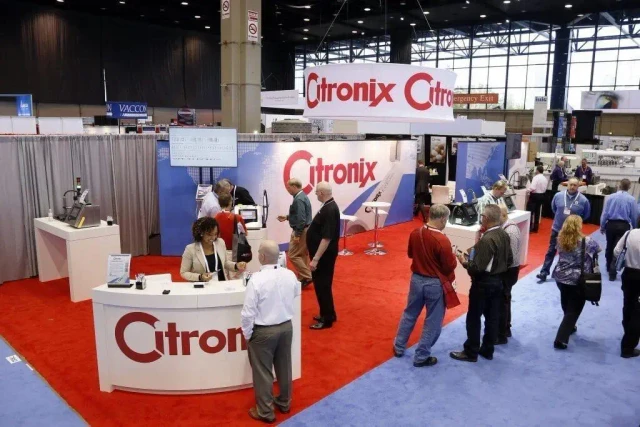
8. Make Visitor Engagement Part of Your Display Strategy
An attractive booth can encourage visitors to stop, but an effective exhibition strategy gives them a reason to engage with your business.
Consider how your portable display can support conversations, demonstrations, and lead collection.
For example, a QR code can direct visitors to a dedicated landing page, product catalogue, appointment booking form, or downloadable resource. A portable counter can provide a convenient place to demonstrate products or discuss services.
Your team should also have a simple and consistent approach to capturing relevant leads. This may include recording contact details, noting visitor interests, and agreeing on appropriate follow-up actions.
After the event, use these details to send relevant communications and arrange conversations with promising prospects.
For companies exhibiting in Boston, combining a well-designed display with a structured lead-generation process can help turn exhibition participation into a more measurable marketing activity.
9. Check Assembly Requirements and Setup Time
Exhibition schedules can be demanding, especially when several exhibitors are preparing their booths at the same time. A display that is difficult to assemble can create unnecessary pressure before the event begins.
Look for a system with clear instructions, manageable components, and a setup process your team can comfortably handle.
If the display requires tools, electrical connections, or multiple people for assembly, factor those requirements into your planning.
It is also wise to practice setting up the display before the exhibition. This helps identify missing components, damaged graphics, or unclear instructions while there is still time to address them.
For more complex portable systems, ask the supplier whether installation assistance is available and whether it is necessary for your chosen configuration.
A smooth setup process allows your team to focus on product preparation, staff coordination, and visitor engagement.
10. Work With an Experienced Trade Show Display Provider
Choosing the right display is easier when you have access to professional guidance. An experienced exhibition display provider can help you compare available formats, assess your booth dimensions, and select materials that suit your marketing objectives.
Depending on the provider, services may include portable display solutions, custom booth design, graphic production, fabrication, installation and dismantling, transportation coordination, and storage.
Working with a provider that understands your requirements can also help you avoid common mistakes, such as selecting an unsuitable display size, using low-resolution artwork, or overlooking event-specific restrictions.
If you expect your exhibition needs to grow, consider a supplier that can support both portable systems and more extensive custom booth solutions. This gives your business greater flexibility as your event strategy develops.
Before confirming an order, review the final design proof, production schedule, delivery arrangements, and any relevant venue requirements.
Common Mistakes to Avoid When Choosing Portable Trade Show Displays
Even a well-funded exhibition project can fall short when important details are overlooked. Keeping a few common mistakes in mind can help you make a better decision.
- Choosing appearance over functionality: A visually impressive display may not work well if it leaves insufficient room for demonstrations or conversations.
- Overloading the design with information: Too much text can make it difficult for visitors to understand your main message.
- Ignoring transportation costs: A display may appear affordable initially but become expensive to ship or store.
- Forgetting future events: A system designed for one specific layout may offer limited value if it cannot be adapted for future exhibitions.
- Leaving preparation until the last minute: Delayed graphic approvals, production, or shipping can create avoidable complications.
- Failing to plan follow-up activities: Collecting leads without a clear follow-up process can reduce the commercial value of an otherwise successful event.
By addressing these issues during the planning stage, businesses can choose a display that supports a more organized and productive exhibition experience.
Conclusion
Choosing the right portable exhibition display involves balancing design, functionality, transportation, budget, and long-term usability. By understanding your objectives, evaluating different display formats, confirming venue requirements, and prioritizing clear branding, you can create an exhibition space that supports your business goals.
For companies preparing to exhibit in Boston, portable trade show displays in Boston offer a practical way to establish a professional presence while keeping event preparation more manageable. Their flexibility and reusability make them suitable for businesses attending conferences, industry exhibitions, and promotional events throughout the year.
The most effective display is not necessarily the largest or most elaborate. It is the one that communicates your message clearly, fits your available space, and helps your team build meaningful connections with potential customers.
With thoughtful planning and the right exhibition partner, your portable display can become a valuable part of your wider event marketing strategy.
Planning an upcoming exhibition in Boston?
Purple Exhibits helps businesses explore trade show display and exhibition solutions tailored to their brand identity, booth requirements, and marketing goals. Get in touch to discuss your next event and find a solution that works for your business.